ANKARA CHAMBER OF INDUSTRY HOLDS THE SECOND JOINT MEETING OF PROFESSIONAL COMMITTEES FOR 2026
ACI CHAIRMAN ARDIÇ CALLS FOR PROTECTING PRODUCTION, INVESTMENT AND EMPLOYMENT
“WE ARE PUTTING ANKARA’S KNOWLEDGE AND PRODUCTION CAPACITY AT THE SERVICE OF OUR INDUSTRIALISTS”
NEW INDEX INITIATIVE FROM ACI: THE ACI INDUSTRIAL THRESHOLD INDEX (ASO-SEE)
“WHAT MUST BE PERMANENT IS PRICE STABILITY, NOT MONETARY TIGHTENING”
“PREMATURE DEINDUSTRIALIZATION IS NOT EARLY GRADUATION. IT IS EXPULSION FROM SCHOOL”
“THE ISSUE CONCERNING FUNDS MUST NOT TURN INTO A SYSTEMIC PROBLEM AFFECTING THE REAL SECTOR”
“WE MUST KNOW HOW TO MOVE FORWARD EVEN IN FOGGY CONDITIONS”
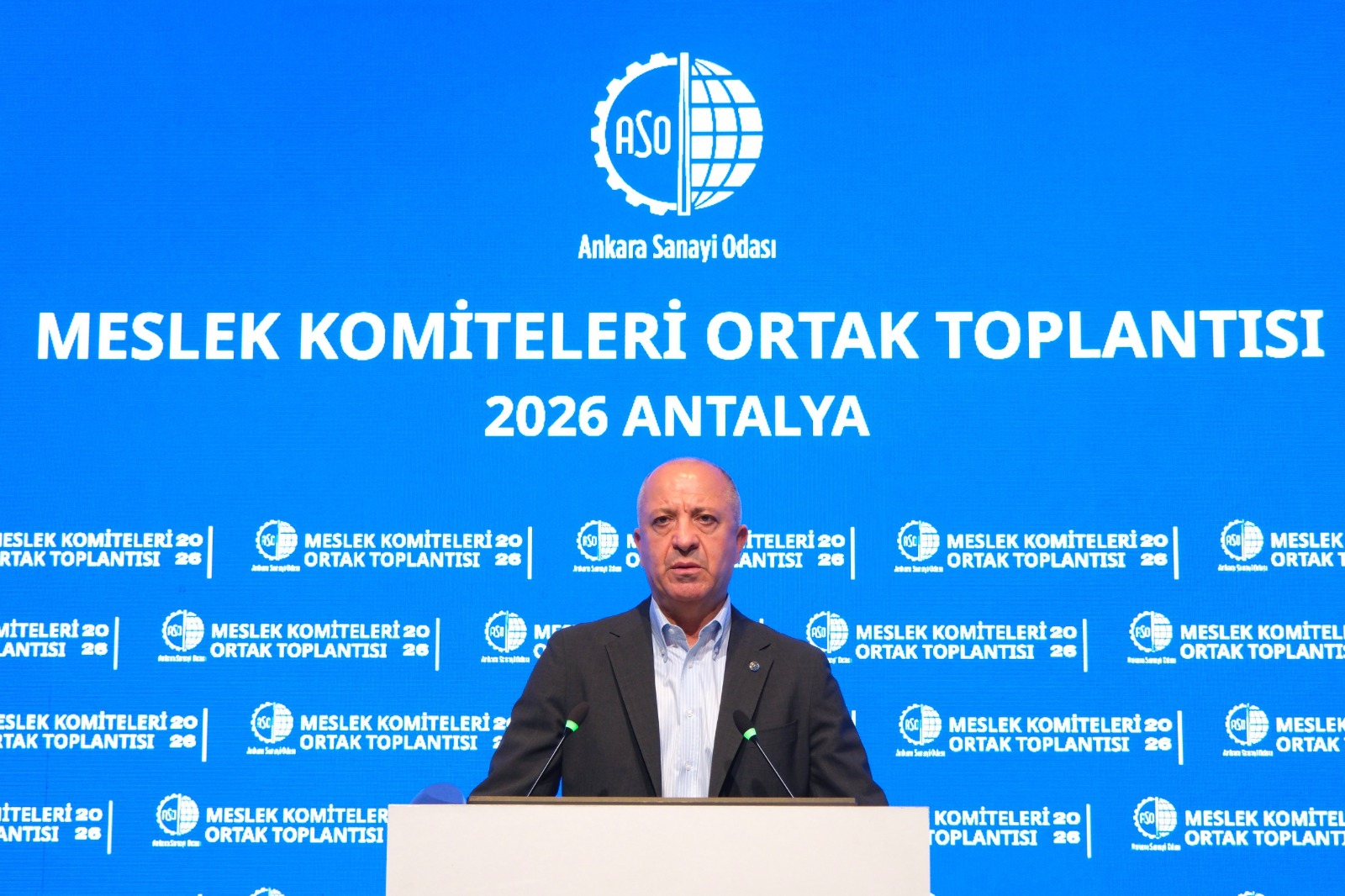
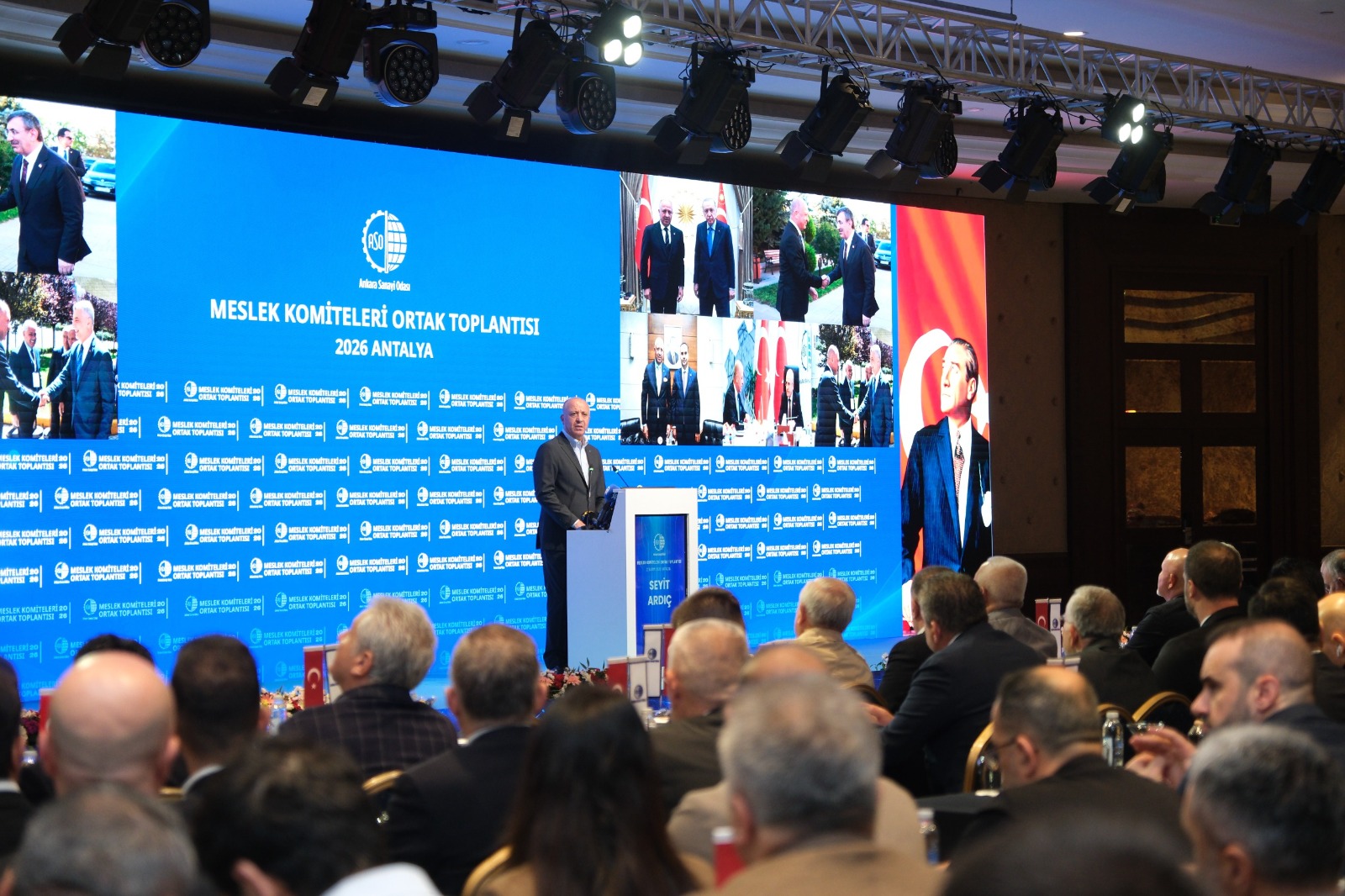
The Ankara Chamber of Industry held its Second Joint Meeting of Professional Committees for 2026. Speaking at the opening of the meeting, ACI Chairman Seyit Ardıç emphasized that the lasting objective in the fight against inflation should be price stability rather than monetary tightening, highlighting the importance of simultaneously implementing policies that protect industry's production, investment and employment capacity. Drawing attention to the weakening capital base and profitability of the manufacturing industry, Chairman Ardıç called for measures to address the risk of premature deindustrialization to be implemented without delay. Sharing ACI's 2027–2030 vision, Chairman Ardıç also announced that preparations had begun for the ACI Industrial Threshold Index (ASO-SEE), which will monitor the monthly performance of Ankara industry.
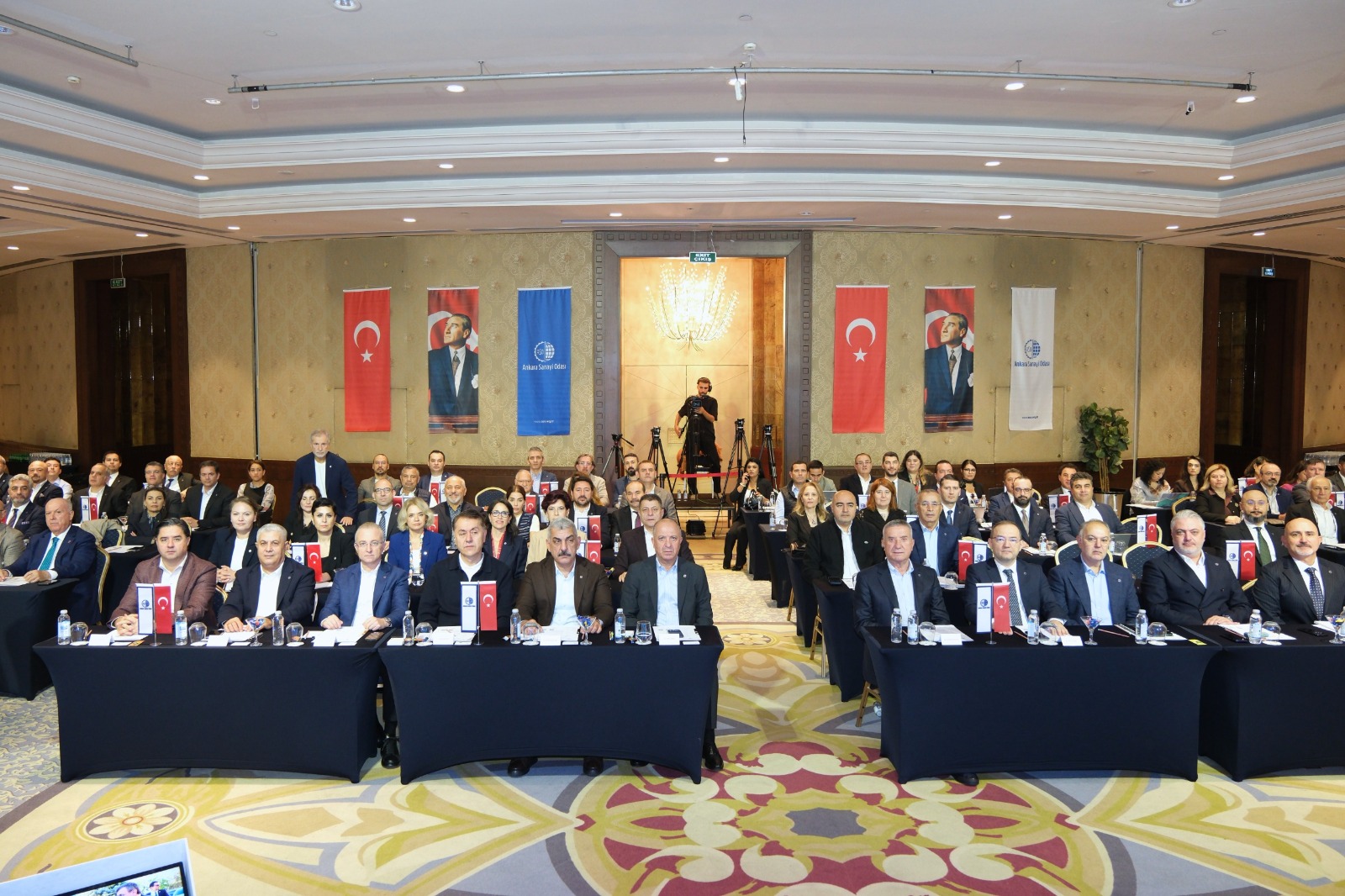
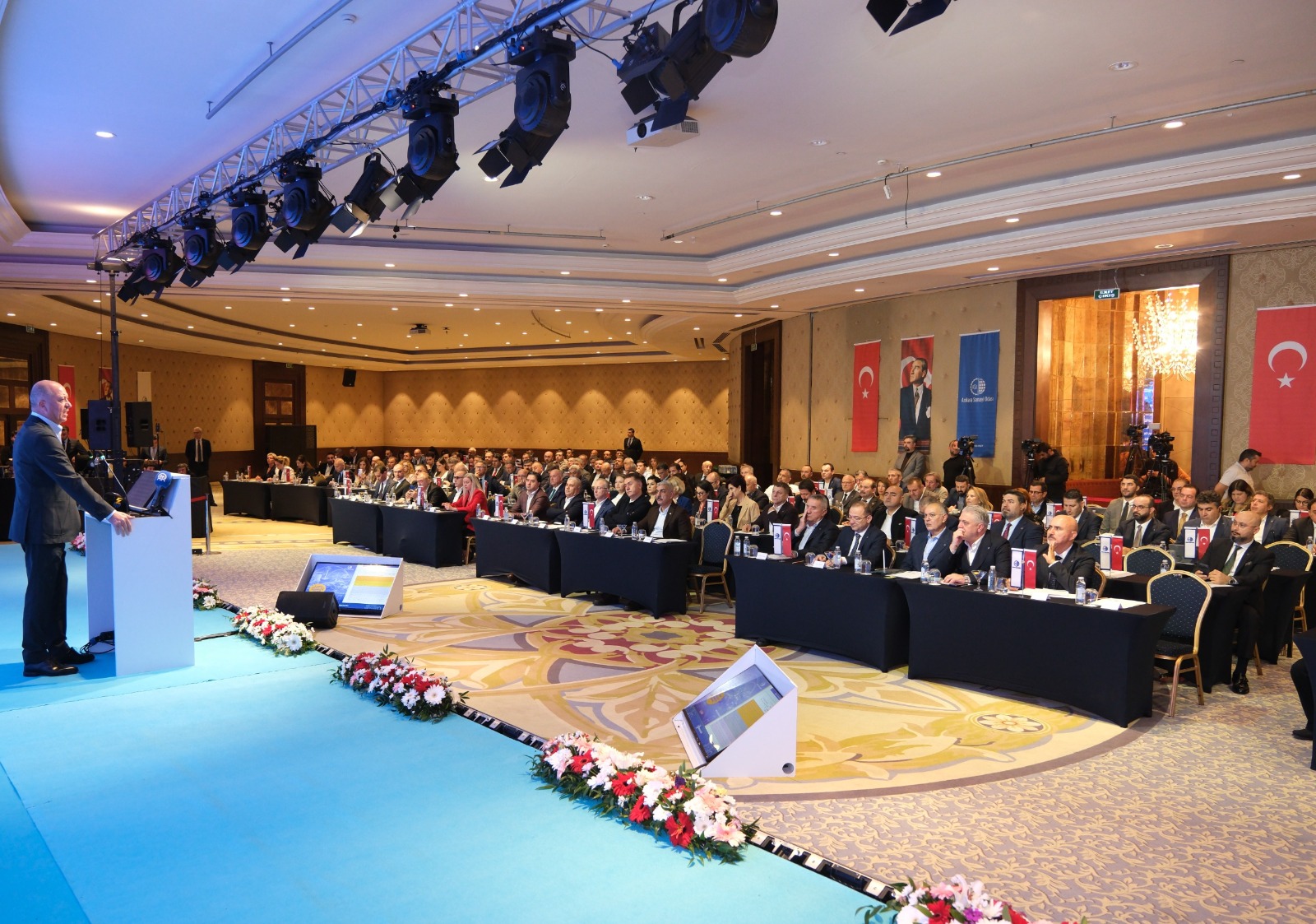
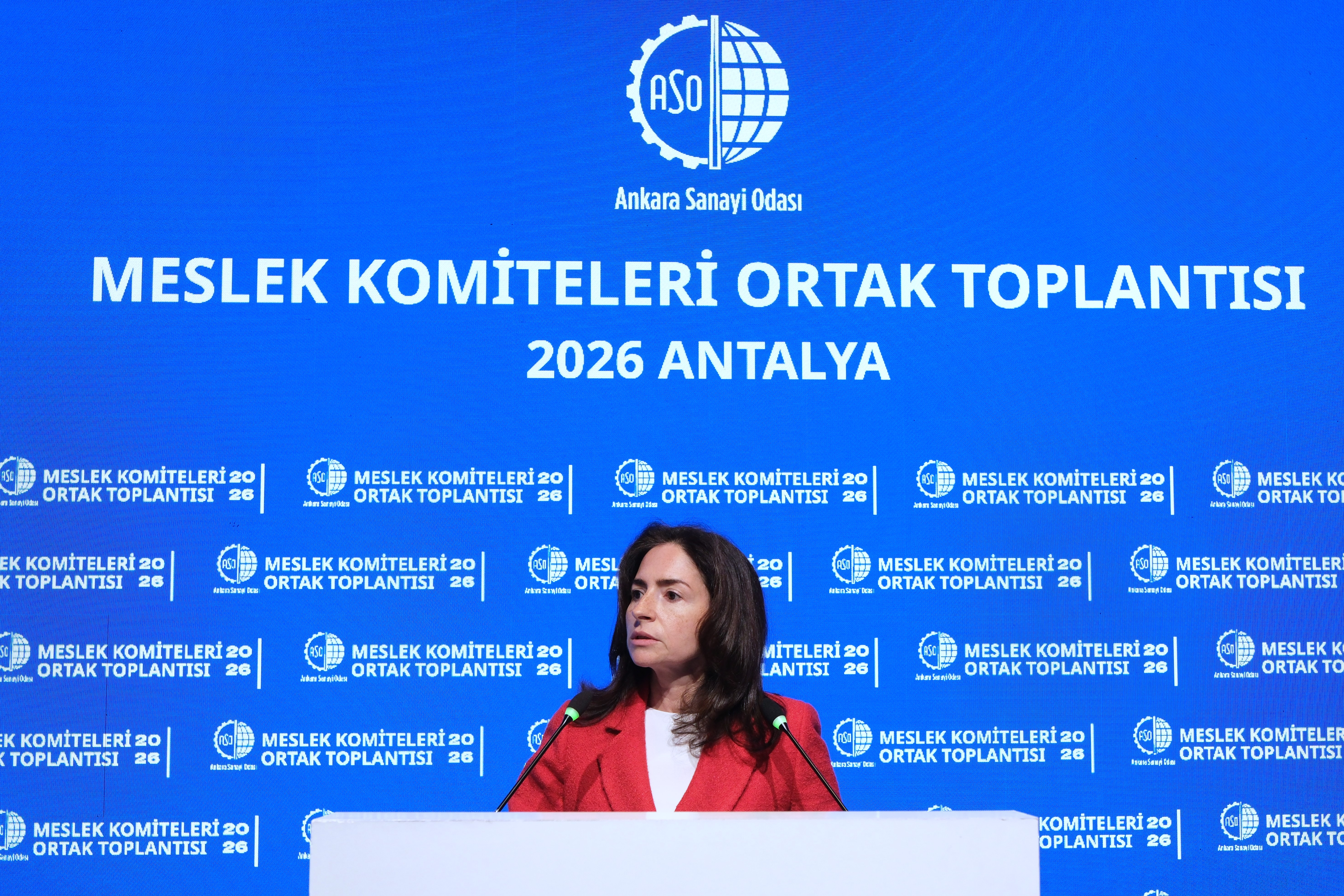
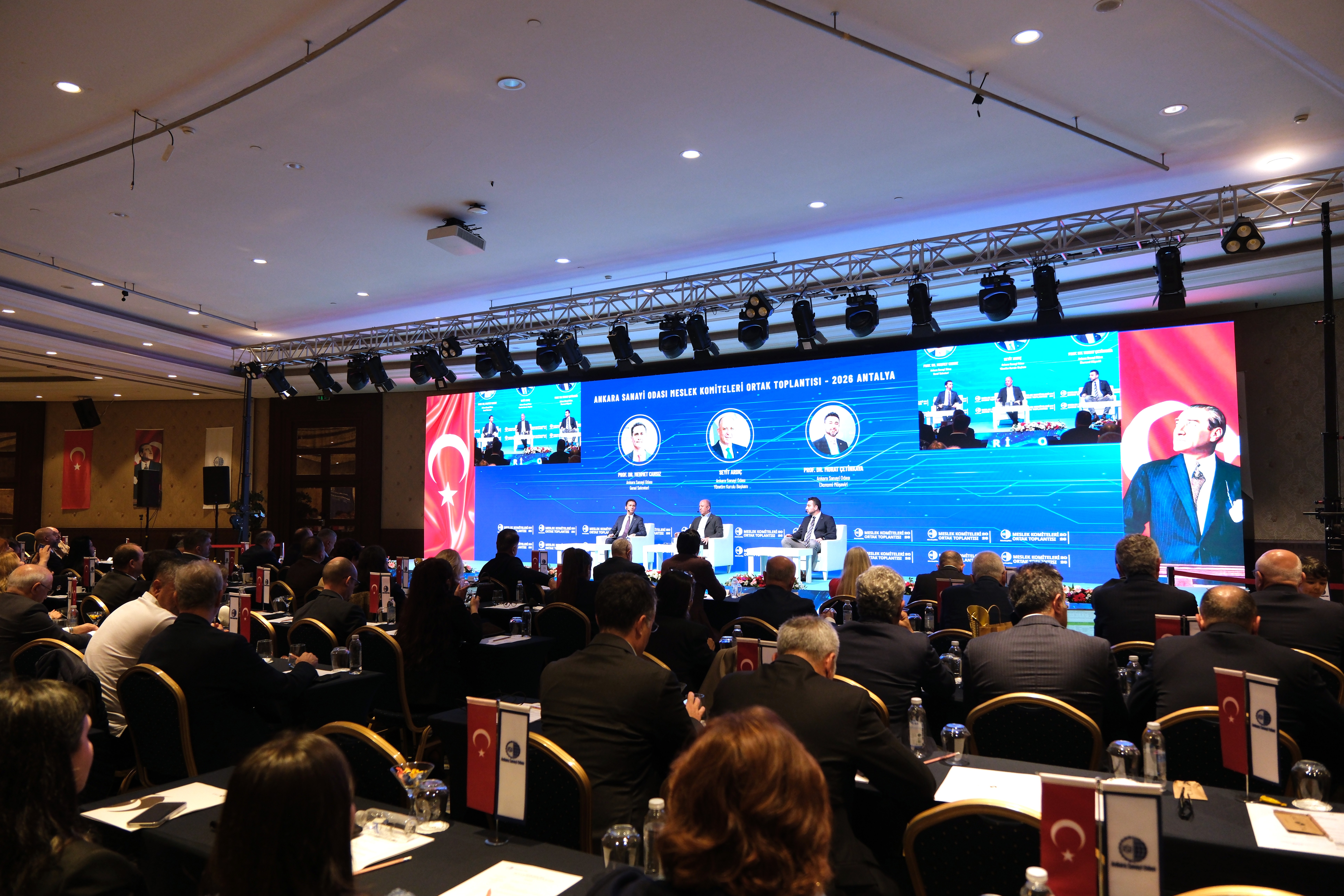
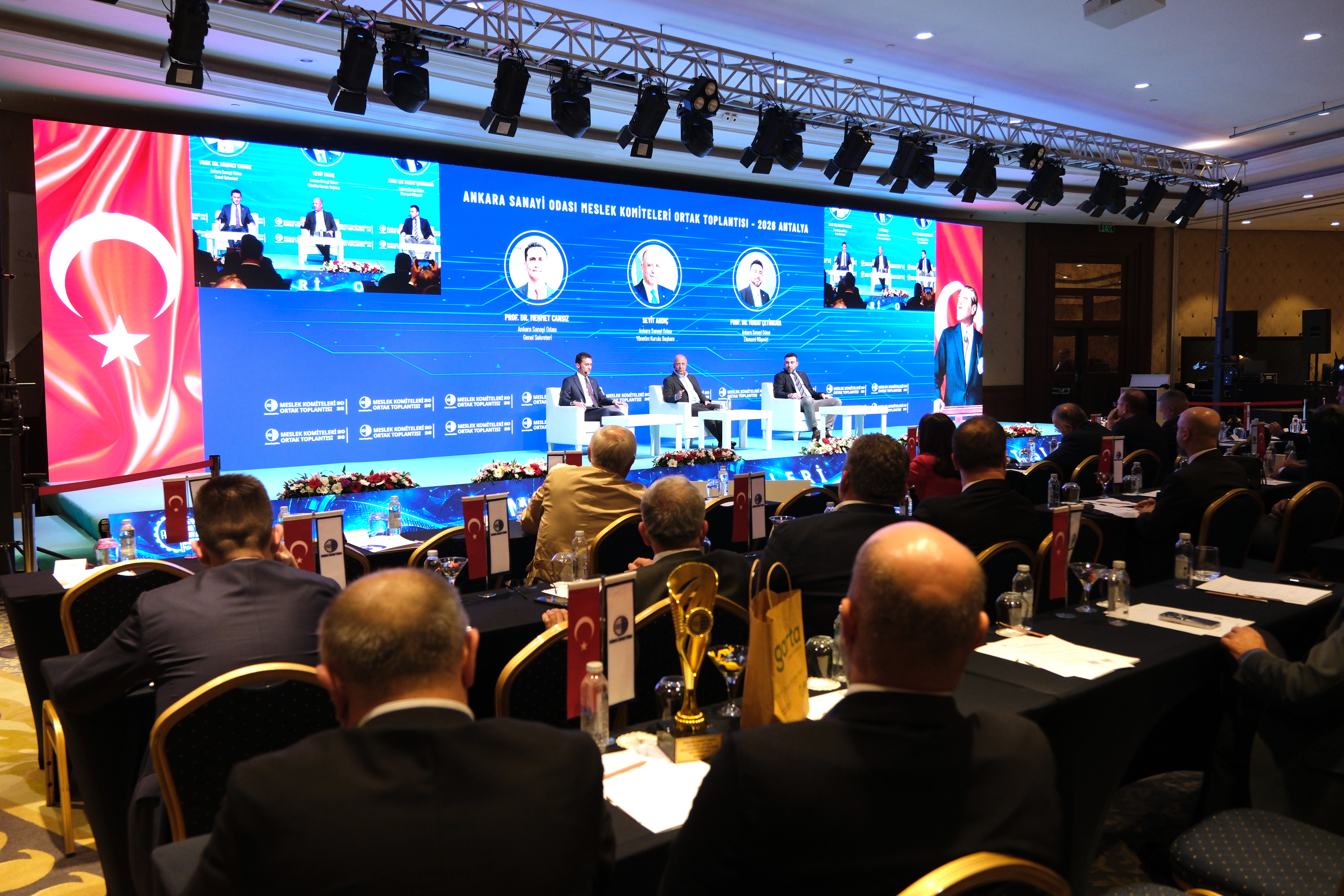
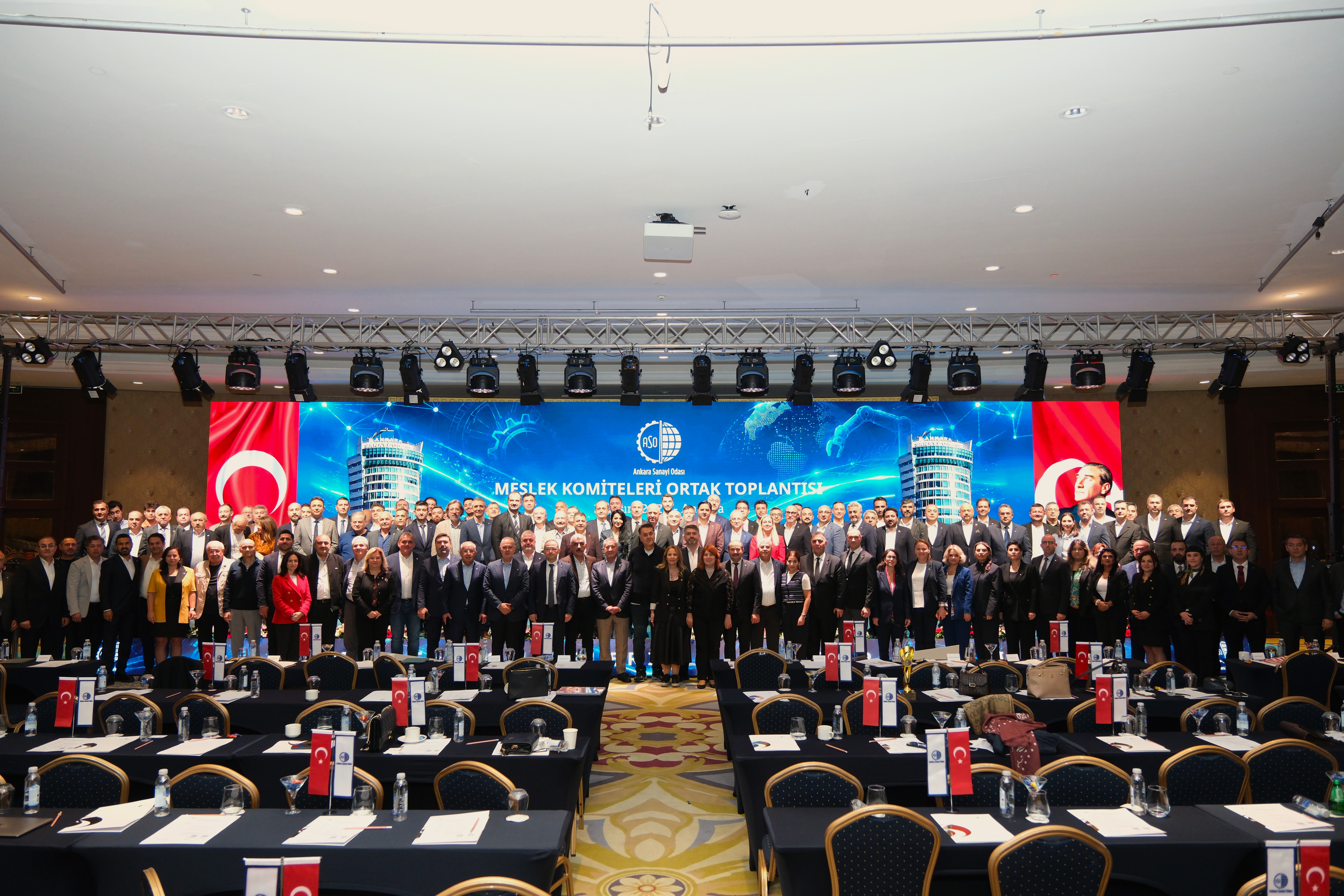
The Second Joint Meeting of Professional Committees of the Ankara Chamber of Industry (ACI) for 2026 was held with the participation of Chairman of the Board Seyit Ardıç, Assembly President İhsan Çetinceviz, and members of the Board of Directors, Assembly, Disciplinary Board and Professional Committees.
Speaking at the opening of the meeting, ACI Chairman Seyit Ardıç evaluated the objectives of the new term, developments in the global economy, the challenges faced by industrialists and their expectations for solutions. Addressing a broad agenda ranging from access to finance and export incentives to the risk of premature deindustrialization, European Union industrial policies and preparations for COP31, Chairman Ardıç delivered a message of unity and solidarity.
“WE ALL SHARE A COMMON RESPONSIBILITY”
Stating that they had come together for the first time in the new term following the Chamber elections, Chairman Ardıç congratulated the newly elected members of the Professional Committees. Expressing that the solidarity demonstrated during the election process had strengthened them, Chairman Ardıç said, “Over the next four years, we will continue working with the same mutual trust and support.”
Emphasizing that their shared responsibility is to meet members' demands and expectations, develop solutions to their problems and strengthen production, investment, employment and export capacity, Chairman Ardıç stated that ACI's long-standing institutional experience is reinforced by the knowledge and practical experience that committee members bring from the field.
Chairman Ardıç said, “You are the ones who know most closely the difficulties, demands and expectations of our members. Every opinion and suggestion conveyed to us through our Professional Committees helps guide our work.”
Noting that efforts to address today's challenges must also consider the future of production, Chairman Ardıç stated that they would closely monitor global developments, emerging technologies and changes in markets.
Recalling that he had listened individually to members during the First Joint Meeting of Professional Committees for 2026, held in May, Chairman Ardıç stated that all the problems, demands and expectations expressed at that meeting had been recorded. He continued:
“We evaluated all these matters within our Board of Directors and conveyed them to the relevant ministries. Our Secretariat General also closely monitored the process. As a result of these efforts, we achieved positive outcomes regarding all the demands and problems you raised at that meeting. We informed the relevant individuals and committees both in writing and verbally.”
Chairman Ardıç emphasized that every issue raised would be evaluated with the same diligence and that they would follow up on efforts to resolve them.
Stating that they attach importance to the Professional Committees developing projects and planning new activities that will benefit their sectors and members, Chairman Ardıç said, “I would also like to state that we are ready to provide all possible financial support, within the budgetary resources of our Chamber, to implement these initiatives.”
Ardıç stated that priorities identified through continuous communication and consultation among the Assembly, Professional Committees and Board of Directors would be translated into concrete actions, emphasizing that this approach also forms the foundation of their objectives for the new term.
“WE ARE PUTTING ANKARA'S KNOWLEDGE AND PRODUCTION CAPACITY AT THE SERVICE OF OUR INDUSTRIALISTS”
Stating that they had taken important steps in the previous term to put Ankara's knowledge and production capacity at the service of industrialists, Chairman Ardıç explained that ACI had developed ASO-İLTEK, an index measuring the technological development levels of provinces and providing guidance for industrial policies. Emphasizing that Ankara's first-place ranking in the index had increased their responsibilities, Chairman Ardıç said that they aim to translate this accumulated knowledge into greater production across more factories and higher earnings for more members.
Reporting that they had prepared 28 research reports on various issues concerning industry, Ardıç made the following assessment:
“We conveyed the data-driven findings and assessments presented in our reports to public institutions through our advocacy activities. I believe that our reports, publications and public statements have made significant contributions to our Chamber's public visibility and influence.”
Stating that the ACI Model Factory had contributed to the production processes of 148 companies over three years, Chairman Ardıç said that the Export Mentorship Program had guided companies in expanding into new markets.
He noted that training and mentoring activities had been diversified, the scope of certification provided by ACI METES had been expanded, and cooperation with universities and international networks had been strengthened.
Recalling that they had assumed direct management of ACI Technopark three years ago, Chairman Ardıç said, “While increasing employment and exports here, we have also strengthened our presence in the technology and R&D ecosystem through GarajX.”
He added that preparations for the ACI Technology Base, ACI Free Zone and ACI Zero Waste Organized Industrial Zone projects had strengthened the foundations of Ankara's future production capacity.
ACI ENTREPRENEURSHIP OFFICE TO COMMENCE OPERATIONS
Chairman Ardıç announced that ACI had become a partner in the Health Technologies Industrial Zone established under the leadership of Ankara University, stating that this partnership would contribute to developing domestic technologies in healthcare and reducing dependence on foreign sources.
Stating that the approval processes for the ACI Entrepreneurship Office had also been completed to support technology-based entrepreneurship, Chairman Ardıç said, “We will provide entrepreneurs with workspace and consultancy support in a 600-square-meter area within our Chamber building, strengthening the ecosystem where innovative ideas meet industry.”
“PRODUCTIVITY IN THE FACTORY, GROWTH IN THE MARKET, FINANCIAL STRENGTH ON THE BALANCE SHEET”
Emphasizing that they would build upon their existing achievements in the new term, Chairman Ardıç outlined ACI's 2027–2030 vision as follows:
“At the heart of our 2027–2030 vision lies a more effective technology and industrial ecosystem, together with greater productivity in our industrialists' factories, growth in their markets and stronger balance sheets.”
Stating that they aim to bring Ankara's universities, laboratories, technoparks and manufacturers together around shared needs, Chairman Ardıç said, “The accumulated knowledge and capabilities of this city must become a common strength accessible to enterprises of every size.”
Explaining that they want to integrate the twin transformation into businesses' daily decisions and production culture, Chairman Ardıç stated that they are focusing on applications that reduce scrap and production downtime through artificial intelligence and digitalization while increasing energy and raw material efficiency. He noted that they support companies in adapting to new regulations and customer expectations through carbon and water footprint measurements, compliance with the Carbon Border Adjustment Mechanism (CBAM), digital product passports and traceability initiatives.
NEW CUSTOMERS, STRONGER SUPPLY RELATIONSHIPS AND INVESTMENT READINESS
Stating that they have developed export mentorship into a structured process focused on target customers, sample preparation and new orders to increase market share, Chairman Ardıç explained that they aim to strengthen SMEs' positions in supply chains by matching their capabilities with the procurement needs of major industrial companies.
He also identified developing joint product and supply opportunities in the defense industry and health technologies, and connecting companies' investment projects with appropriate financing and support mechanisms, among their priorities.
LONG-TERM PRODUCTION CAPACITY THROUGH THREE MAJOR PROJECTS
Stating that ACI's three vision projects will provide long-term strength to the objectives of the new term, Chairman Ardıç explained that they aim to accelerate the transition from research to production through the ACI Technology Base and connect industrialists with international investments and markets through the ACI Free Zone.
Explaining that the ACI Zero Waste Organized Industrial Zone is designed to establish an industrial structure in which one enterprise's waste becomes another enterprise's raw material, keeping resources within the production cycle, Chairman Ardıç stated that they would prioritize implementing project phases once the necessary permits and financing conditions are secured.
Emphasizing that the needs communicated by members from the field serve as the starting point for their initiatives, Chairman Ardıç said:
“The measure of our success is the customers our members gain, the orders they receive, the products they develop and the savings they achieve. Transforming Ankara's accumulated knowledge and capabilities into the strength of our factories is our shared responsibility in the new term.”
NEW INDEX INITIATIVE FROM ACI: ASO-SEE
Recalling that they began publishing ASO-İLTEK, which measures the technological development levels of Türkiye's 81 provinces, three years ago, Chairman Ardıç stated that the index has been referenced by numerous institutions and organizations and has contributed to the country's industrial and technology policies. He announced that updated ASO-İLTEK data would be released at the end of the year.
Chairman Ardıç also announced that preparations had begun for a new index, stating, “We are developing the ACI Industrial Threshold Index to make the voice of Ankara industry heard more strongly through up-to-date data.”
Chairman Ardıç explained the purpose of the initiative as follows:
“With this index, abbreviated as ASO-SEE, we will monitor the monthly pulse of Ankara industry. Through data collected directly from the field, we will gain a clearer understanding of the current state of our industry, identify emerging risks at an early stage and issue the necessary warnings. Today, we will take the first step in this initiative together with you.”
Emphasizing that ASO-SEE would be developed with contributions from committee members, Chairman Ardıç invited every member to participate in the pilot implementation and regularly share information in the following months.
Chairman Ardıç said, “I regard this as a shared responsibility that we must all embrace in the new term. We will make the voices of our sectors heard more strongly and contribute to developing concrete policy recommendations. Following ASO-İLTEK, we will work together to establish ASO-SEE as another important reference source.”
“GROWTH IS INCREASINGLY CONCENTRATED IN FEWER COUNTRIES”
Stating that geopolitical tensions persist, energy markets remain vulnerable and protectionist tendencies are strengthening in global trade, Chairman Ardıç noted that high public debt and tighter financing conditions compared to the previous era of low interest rates are affecting the global economy.
“The defining characteristics of the coming period appear to be high uncertainty and structural transformation,” said Ardıç, drawing attention to the divergence among countries highlighted in the IMF's October report.
Chairman Ardıç stated that, according to the report, 32 countries accounted for 95 percent of global growth, compared with 54 countries in the April report, indicating that growth is becoming concentrated in an increasingly smaller number of economies.
Chairman Ardıç said, “While economies benefiting more extensively from artificial intelligence investments and global technology value chains are coming to the forefront, countries dependent on energy imports and facing more limited financing conditions are experiencing increasing cost and competitive pressures.”
Referring to World Trade Organization data, Chairman Ardıç stated that 47 percent of the increase in the dollar value of global merchandise trade in the first half of the year was attributable to products used in artificial intelligence infrastructure, and that these products had reached a 14.8 percent share of total merchandise trade.
Emphasizing that these figures show how companies developing technology and supplying products for new investments are gaining prominence in international trade, Chairman Ardıç noted that the United Nations Conference on Trade and Development had also drawn attention to technology, finance and geopolitical relations.
Chairman Ardıç stated that export controls and investment screening make it more difficult to enter strategic sectors, that the trade momentum generated by artificial intelligence investments is concentrated in a limited number of economies, and that rising energy prices are increasing costs and economic vulnerabilities.
Chairman Ardıç said, “Global competitiveness is determined not only by production capacity, but also by technological development capabilities, strong industrial infrastructure and resilience against external shocks.”
He emphasized that supply and energy security, access to critical raw materials, technological independence and geopolitical risks have become at least as decisive as costs in production and investment decisions.
TECHNOLOGY INVESTMENTS MUST TRANSLATE INTO PRODUCTIVITY GAINS IN FACTORIES
Recalling the IMF's warning that failure to realize the expected returns from artificial intelligence investments could create new financial and economic vulnerabilities, Chairman Ardıç stated that the lasting benefits of technological transformation should be measured through tangible productivity improvements and high value-added production in factories.
Noting that countries are seeking to reduce external dependence in strategic sectors and that companies prioritize reliable and sustainable supply opportunities, Chairman Ardıç said, “Alongside cost advantages, advanced technology, high added value and supply security now play decisive roles in global competition.”
“PRODUCTIVITY GROWTH IS THE FOUNDATION OF LASTING PROSPERITY”
Emphasizing that sustainable economic growth requires increases not only in demand but also in production capacity and total factor productivity, Chairman Ardıç explained that productivity improvements enable more added value to be generated with the same amount of labor and capital.
“Higher productivity means stronger export capacity, lower pressure on unit costs, sustainable growth and lasting increases in prosperity,” said Chairman Ardıç, emphasizing that industry must move toward a position of generating higher added value amid global transformation.
Chairman Ardıç stated, “Because in the new global economy, the winners will be those who produce more efficiently, with more advanced technology and greater resilience.”
“WHAT MUST BE PERMANENT IS PRICE STABILITY, NOT MONETARY TIGHTENING”
In his assessment of the Turkish economy, Chairman Ardıç drew attention to inflation remaining persistently high, stating that its stagnation at around 30 percent over the past year demonstrates the resistance encountered in the disinflation process.
Recalling that the inflation-fighting program had entered its fourth year, Chairman Ardıç stated that the measures being implemented had evolved into a permanent feature of economic policy. He noted that high financing costs, suppressed domestic demand and postponed investments were no longer merely temporary conditions of a transition period but had become an unsustainable burden for industrialists. He continued:
“What must be permanent in the fight against inflation is not monetary tightening itself, but price stability. We should measure success in this struggle by how effectively we can protect production, investment and employment while reducing inflation.”
Stating that high inflation increases costs, postpones investment decisions and weakens predictability, Chairman Ardıç said, “As long as this pressure persists, the competitiveness of our industry will continue to weaken; production will slow down and factories will fall silent.”
Chairman Ardıç emphasized that the objective should be a strong economy in which price stability is accompanied by easing cost pressures, renewed investment activity and a recovery in industrial production.
DECLINING EQUITY AND PROFITABILITY IN THE MANUFACTURING INDUSTRY
Sharing the manufacturing industry's balance sheet data for the 2023–2025 period, Chairman Ardıç stated that total assets declined by 6.6 percent in real terms, equity decreased by 17.6 percent and total liabilities increased by 5.8 percent.
Chairman Ardıç reported that the sector's real net sales declined by 11.7 percent, operating profit by 40.2 percent and net profit by 63.5 percent, while the ratio of financing expenses to operating profit increased from 44.8 percent to 69.1 percent. He also described it as noteworthy that employment increased by only 1.2 percent despite an approximately 10 percent rise in the number of companies.
Chairman Ardıç made the following assessment:
“These figures show that despite continuing to produce under difficult conditions, our industry's capital base is weakening, its profitability is being eroded and its financing burden is increasing. When evaluating production and growth figures, we must not overlook the financial strength of our companies. We need to preserve our financial capacity in order to sustain production and make new investments.”
CALL FOR SIMULTANEOUS POLICIES TO IMPROVE ACCESS TO FINANCE AND STRENGTHEN EQUITY
Emphasizing that lasting competitiveness cannot be achieved with an industrial structure characterized by eroding capital, declining profitability and an increasing share of earnings being allocated to financing costs, Chairman Ardıç made the following call:
“Therefore, during the disinflation process, we must simultaneously implement policies that protect our industry's production, investment and employment capacity, facilitate access to finance and strengthen its equity structure.”
Chairman Ardıç stated that the TOBB Nefes Loan Program, which will resume with a new credit volume of 50 billion Turkish liras, would provide SMEs with financing under favorable conditions, and thanked TOBB President Rifat Hisarcıklıoğlu.
“PREMATURE DEINDUSTRIALIZATION IS NOT EARLY GRADUATION. IT IS EXPULSION FROM SCHOOL”
Recalling that he has been drawing attention to the risk of premature deindustrialization since September 2024, Chairman Ardıç stated that the manufacturing industry's share of national income has declined by more than five percentage points over the past three years, falling to around 17 percent.
Chairman Ardıç explained that the share of industry in national income may decline in economies that have achieved advanced technology, strong productivity and high levels of prosperity, describing such countries as having reached the peak of industrialization and “earned their diplomas and graduated.”
Emphasizing that the risk for Türkiye lies in the weakening of its production capacity before reaching the desired levels of technology, added value and prosperity, Chairman Ardıç said:
“Premature deindustrialization is not early graduation. It is expulsion from school. To ensure that our development story continues successfully, we must implement policy measures without delay to protect our industry's production capacity, pave the way for investments and accelerate technological advancement.”
DECLINING EFFECTIVENESS OF FOREIGN EXCHANGE CONVERSION SUPPORT
Emphasizing that export incentives are critical for international competitiveness, Chairman Ardıç evaluated the amendment to the Central Bank's 3 percent foreign exchange conversion support scheme.
Stating that limiting the foreign exchange amount eligible for support to the added value generated by companies reduces the support exporters receive, Chairman Ardıç gave the following example:
“A company with a value-added ratio of 25 percent can receive support for only one-quarter of its foreign exchange earnings. As a result, the effective value of the support announced as 3 percent falls to 0.75 percent of its total foreign exchange earnings.”
He also noted that the annual support ceiling of 100 million Turkish liras restricts companies with high export volumes, while additional bureaucratic requirements make access to the scheme more difficult.
Stating that they support the objective of encouraging conversion into Turkish liras and extending support to more businesses, Chairman Ardıç noted that regulations reducing the effectiveness of incentives during a period of high interest rates, rising costs and exchange rate pressures add to the burden on industrialists.
“WE MUST STRENGTHEN PRODUCTION THAT GENERATES FOREIGN EXCHANGE EARNINGS”
Calling for a reassessment of the value-added calculation, per-company support limits and reporting obligations, Chairman Ardıç emphasized that the different production conditions of sectors should be taken into consideration.
Ardıç stated that “The support system should be made simpler, more predictable and more accessible,” and delivered the following message:
“We must remember that support provided to exporters increases our country's foreign exchange earnings and contributes to the continuity of production and employment. For lasting financial stability, we must strengthen production that generates foreign exchange earnings.”
“THE ISSUE CONCERNING FUNDS MUST NOT TURN INTO A SYSTEMIC PROBLEM AFFECTING THE REAL SECTOR”
Evaluating the issue concerning funds from the perspective of industrialists and production continuity, Chairman Ardıç stated that one of the fundamental conditions for investment and expanding production is an environment that inspires confidence.
Noting that one of the key indicators of confidence in the financial system is the ability to access funds when needed, Chairman Ardıç drew attention to the fact that businesses being unable to access funds intended for production can disrupt raw material purchases and payments to employees and suppliers.
Stating that they appreciate President Recep Tayyip Erdoğan's careful attention to the issue, Chairman Ardıç said, “His emphasis on addressing the problem without compromise demonstrates the strong determination being shown toward resolving it.”
Chairman Ardıç also emphasized the importance of the messages delivered to the business community by the Minister of Justice at DEİK in September. He stated that the emphasis on enabling businesspeople to plan ahead, ensuring investors' confidence in the legal system and allowing economic activities to continue without unnecessary bureaucratic or legal obstacles is particularly significant for industrialists.
Ardıç outlined their main expectations regarding the issue as follows:
“Our primary expectation is that this process proceeds transparently. However, what matters here is ensuring that these developments do not turn into a systemic problem spreading across the market and affecting the real sector.”
Stating that effective supervision, clear identification of responsibilities and accurate information for investors would strengthen confidence, Chairman Ardıç said, “Our industry needs reliable and strong capital markets in order to grow. We must all protect this structure, in which savings provide resources for production, investment and employment.”
“THE ‘MADE IN EUROPE’ APPROACH IS ONE OF THE MOST CRITICAL ISSUES IN OUR FOREIGN TRADE POLICY”
Stating that they are closely monitoring the European Union's “Made in Europe” approach, Chairman Ardıç noted that the initiative, which has not yet become law, could have significant consequences for industry.
Emphasizing that benefiting from incentives and public procurement opportunities in a market is just as important as being able to enter that market without paying customs duties, Chairman Ardıç stated that Türkiye's automotive exports reached 41.5 billion dollars in 2025, with 72.5 percent going to the EU, demonstrating the depth of production relations.
Chairman Ardıç said, “If a component produced in Türkiye is recognized as European content, while a vehicle manufactured in our country using that same component can be excluded from support, this would undermine the logic of this integration.” He noted that such an approach could increase costs for European manufacturers with investments in Türkiye and weaken existing production chains and competitiveness.
Emphasizing that Türkiye's production capacity, engineering expertise and strong supply network form part of the competitiveness of European industry, Chairman Ardıç called for this shared production strength to be recognized through clear and lasting guarantees in new regulations.
Stating that the modernization of the Customs Union should be addressed through an approach encompassing industrial incentives, public procurement and green transformation, Chairman Ardıç said, “What we must defend today is our country's place not only in existing exports, but also in the investments, technologies and qualified employment of the future.”
Chairman Ardıç continued:
“The ‘Made in Europe’ approach is one of the most critical issues in our foreign trade policy. The fundamental expectation of our business community is that the necessary result-oriented steps are taken at the highest level, under the leadership of our President.”
COP31: A STRATEGIC OPPORTUNITY FOR GREEN TRANSFORMATION IN INDUSTRY
Stating that COP31, scheduled to be held in Antalya from November 9 to 20, 2026, with Türkiye as the host country, directly concerns the future of industry, Chairman Ardıç described the event as a strategic opportunity for Türkiye to present its vision for sustainable development and green transformation to the world.
Emphasizing that carbon intensity has become as decisive in international trade as production costs, technological capacity and product quality, Chairman Ardıç cited the European Union's Carbon Border Adjustment Mechanism as a concrete example.
Chairman Ardıç said, “In the coming period, our export competitiveness will be determined not only by how much we produce and at what quality, but also by how much carbon we emit during production.”
Referring to ACI's report titled “Türkiye and Ankara Analysis within the Scope of the Carbon Border Adjustment Mechanism,” Ardıç stated that Ankara's share of Türkiye's CBAM-covered exports to the EU increased from 3.33 percent in 2013 to 4.44 percent in 2023. He noted that these exports rose from approximately 95 million dollars to 334 million dollars over the same period.
Chairman Ardıç emphasized that the declining share of basic metals and the growing share of more advanced fabricated metal products demonstrate the structural transformation of Ankara industry, while cautioning that this transformation does not eliminate the competitive risks associated with carbon-intensive production.
Stressing the need to prevent green transformation from becoming an additional cost burden on industry, Chairman Ardıç called for SMEs to be provided with access to affordable green financing, clean energy investments to be supported and technical capacities for emissions measurement to be developed.
“WE WILL REPRESENT OUR COUNTRY'S INDUSTRY AT COP31”
Providing information on ACI's preparations for COP31, Chairman Ardıç said, “As the Ankara Chamber of Industry, we will represent our country's industry at COP31 and bring our initiatives and projects together with international stakeholders.”
He announced that ACI would showcase its activities at its stand in the Green Zone through ACI 2nd Organized Industrial Zone, which holds Green OIZ certification; ACI Technopark, a member of the International Association of Science Parks and Areas of Innovation; ACI Model Factory, Türkiye's first model factory; ACI METES; and ACI NÜKSAK, the country's first nuclear industry cluster. He added that they would develop new collaborations and introduce the ACI Technology Base and ACI Free Zone projects to international investors.
Chairman Ardıç also stated that ACI would participate in the Türkiye Pavilion in the Blue Zone with a panel on green transformation in industry as part of Science, Industry and Technology Day on November 16.
Emphasizing that the lasting success of COP31 should be measured not only by the outcomes of international negotiations, but also by the concrete benefits it delivers to factories, investments and exports, Chairman Ardıç delivered the following message:
“True success in green transformation does not mean reducing emissions by shrinking industry; it means lowering the carbon intensity of production while strengthening our industry.”
“WE MUST KNOW HOW TO MOVE FORWARD EVEN IN FOGGY CONDITIONS”
At the conclusion of his speech, Chairman Ardıç compared the current period, characterized by profound changes in business conditions and high uncertainty, to a foggy road. He said:
“I compare this situation to a foggy road. But we cannot simply turn off the ignition and wait because there is fog. If we wait, those coming behind us will either collide with us and push us off course or simply pass us by. We must know how to move forward even in foggy conditions. We must assess risks and opportunities correctly and continue moving forward without losing our direction.”
Emphasizing that their greatest strength during this process is mutual trust, unity and solidarity, Chairman Ardıç stated that the Board of Directors, Assembly and Professional Committees share the same responsibility.
Chairman Ardıç said, “We have both the experience and the determination to take Ankara industry further. By listening to one another, valuing each other's ideas and working shoulder to shoulder, we will transform this accumulated knowledge into new achievements.” He added that they would continue working with the same determination for all industrialists who produce, invest, create employment and contribute value to the country.
103RD ANNIVERSARY OF THE REPUBLIC AND 63RD ANNIVERSARY OF ACI'S ESTABLISHMENT
Celebrating October 29 Republic Day and the 103rd anniversary of the Republic, Chairman Ardıç recalled that ACI would celebrate the 63rd anniversary of its establishment on November 18.
Stating that “As every year, our first destination will be Anıtkabir, the eternal resting place of the founder of our Republic, our Great Leader Gazi Mustafa Kemal Atatürk,” Chairman Ardıç invited all members to gather at Anıtkabir on Wednesday, November 18, at 9:30 a.m.
“Let us once again demonstrate together our determination and commitment to building the Century of Türkiye in accordance with Atatürk's principles,” he said.
Thanking committee members for their companionship, efforts and contributions, Ardıç expressed his wish that “May Allah preserve our unity and solidarity,” and hoped that the meeting would be productive.
INDUSTRIAL PRIORITIES AND THE ROLE OF PROFESSIONAL COMMITTEES IN THE NEW TERM DISCUSSED
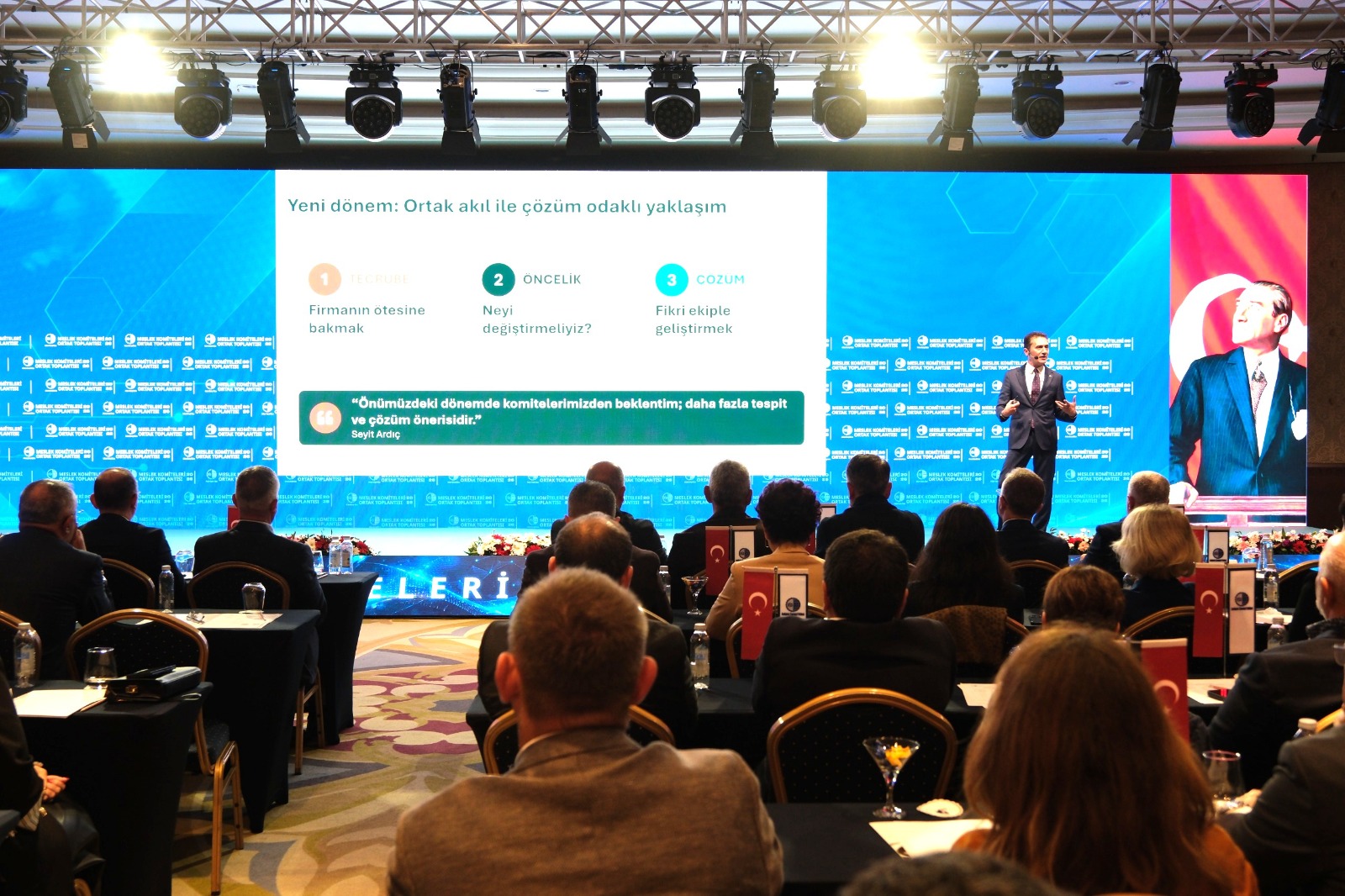
Following Chairman Ardıç's opening speech, ACI Secretary General Prof. Dr. Mehmet Cansız delivered a presentation titled “Industrial Priorities and the Role of Professional Committees in the New Term.” Prof. Dr. Cansız outlined ACI's initiatives for the new term and the responsibilities that the committees would undertake during this process.
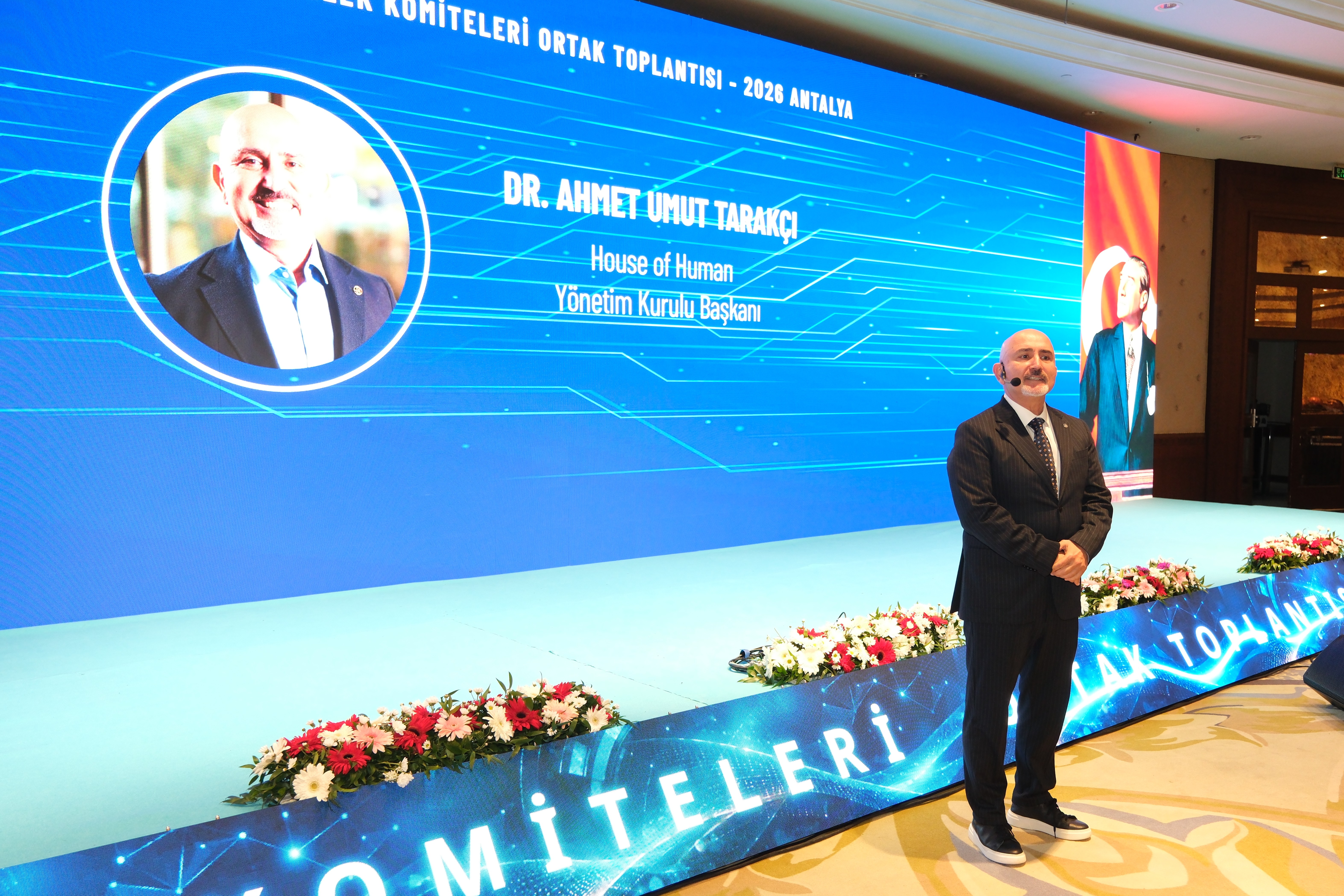
The program continued with a presentation by Dr. Ahmet Umut Tarakçı, Chairman of the Board of House of Human, titled “Leadership Shaping the Future: Strategy, People and Digital Transformation.” In the afternoon session, Gülru Gezer, Director of the Foreign Policy Program at the Foreign Policy Institute, shared her assessments in a presentation titled “Global Geopolitical Developments and Their Impacts on Industry.”
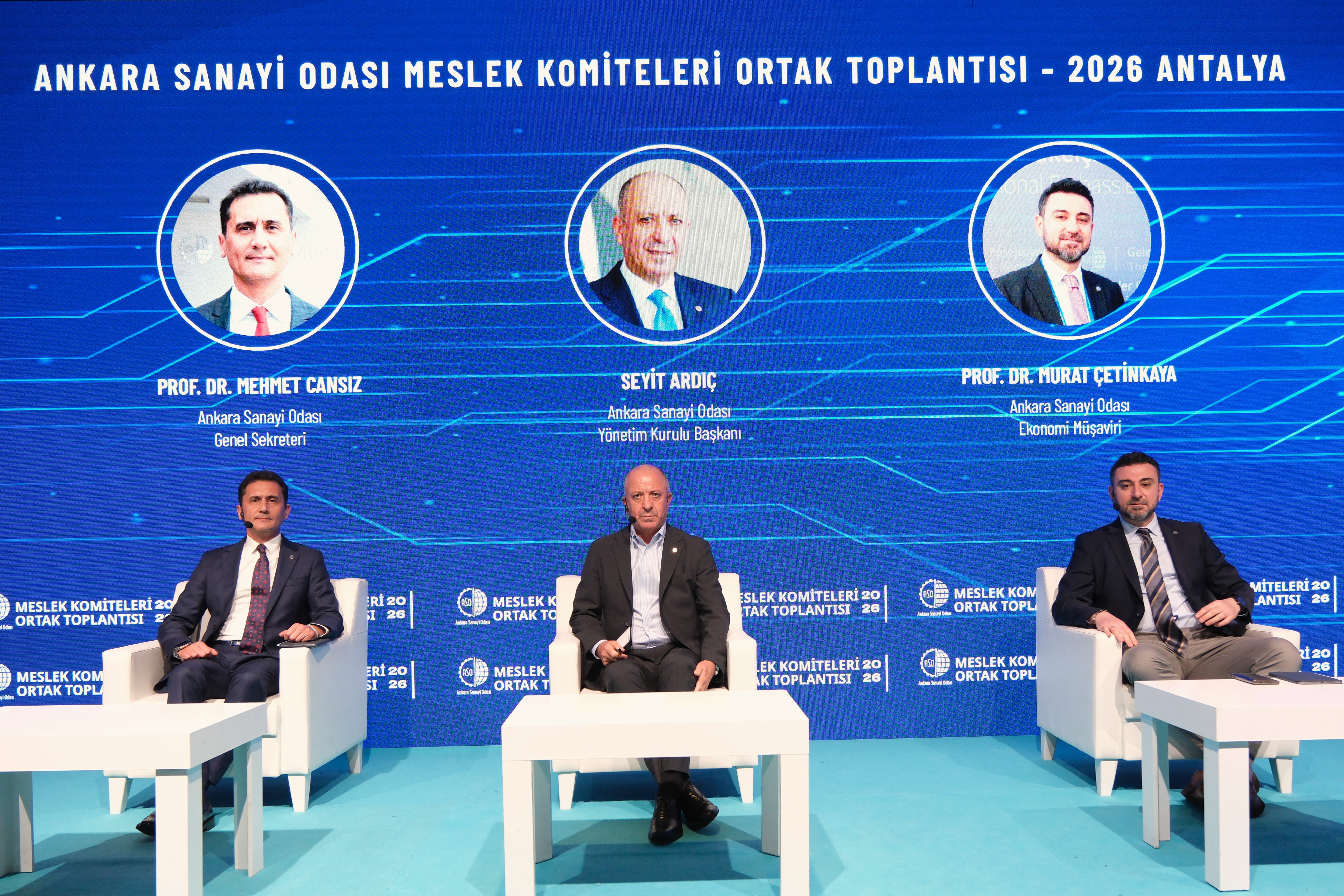
During the session titled “Sectoral Views and Assessments of Our Members,” Professional Committee members expressed the challenges, demands and recommendations concerning their respective sectors. The session, attended by ACI Chairman Seyit Ardıç, Secretary General Prof. Dr. Mehmet Cansız and Economic Advisor Prof. Dr. Murat Çetinkaya, addressed members' assessments and expectations for solutions.